Semiconductor Wet Processing
De-Risk Wet Processing Chemistry at Advanced Nodes
Trusted by















Advanced nodes demand tighter process control, yet CMP, etch, and cleaning chemistry development still relies heavily on empirical screening.
Every slurry adjustment, etch bath reformulation, or cleaning chemistry change can trigger weeks to months of wafer-level experiments with most candidates failing late.
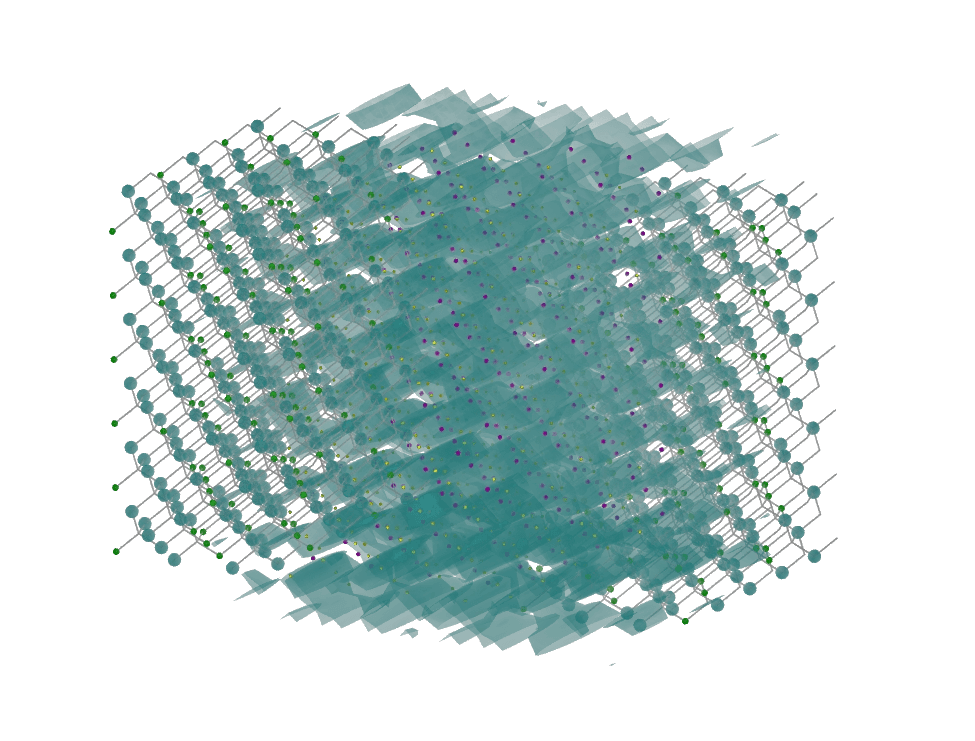
The key chemistry happens at the wafer–solution interface, where adsorption, dissolution, passivation, particles, and contaminants control removal rate, selectivity, defectivity and yield. But these molecular events are difficult to observe directly under process conditions.
Compular Lab simulates wafer–solution interactions before fab-scale testing, helping teams understand mechanisms, screen chemistries faster, and reduce failed experimental cycles.
Ionic Liquids for Advanced Processing
You're running wafer-level polish trials to learn what your slurry is doing at the nanometre scale.
Ionic liquids offer wide electrochemical stability windows, low volatility, and tuneable solvation for electrodeposition, surface treatment, and precision cleaning.
But their design space is complex. Cation–anion–additive interactions can drive non-intuitive viscosity, conductivity, and interfacial behaviour that shifts with temperature and composition.
Measuring every mixture is slow, and bulk data rarely explains the molecular interactions behind performance.
Compular Lab models ionic liquid mixtures before experimental screening, helping you predict transport, thermal stability, solvation and interface behaviour across targeted formulation space.


Transport properties
(density, viscosity, ionic conductivity) across your composition and temperature space, validated against experimental benchmarks

Ion transport mechanisms
ions movement by vehicular transport vs. structural diffusion and how that ratio shifts with composition

Solvation structure
of your target ion in each candidate system

Electrode interface structure
how the ionic liquid reorganises at a charged surface under applied potential
Ionic Liquids for Advanced Processing
You're running wafer-level polish trials to learn what your slurry is doing at the nanometre scale.
Ionic liquids offer wide electrochemical stability windows, low volatility, and tuneable solvation for electrodeposition, surface treatment, and precision cleaning.
But their design space is complex. Cation–anion–additive interactions can drive non-intuitive viscosity, conductivity, and interfacial behaviour that shifts with temperature and composition.
Measuring every mixture is slow, and bulk data rarely explains the molecular interactions behind performance.
Compular Lab models ionic liquid mixtures before experimental screening, helping you predict transport, thermal stability, solvation and interface behaviour across targeted formulation space.
Transport properties
(density, viscosity, ionic conductivity) across your composition and temperature space, validated against experimental benchmarks
Transport properties
(density, viscosity, ionic conductivity) across your composition and temperature space, validated against experimental benchmarks
Ion transport mechanisms
ions movement by vehicular transport vs. structural diffusion and how that ratio shifts with composition
Ion transport mechanisms
ions movement by vehicular transport vs. structural diffusion and how that ratio shifts with composition
Solvation structure
of your target ion in each candidate system
Solvation structure
of your target ion in each candidate system
Electrode interface structure
how the ionic liquid reorganises at a charged surface under applied potential
Electrode interface structure
how the ionic liquid reorganises at a charged surface under applied potential
CMP Slurry Formulation
Model the Slurry–Wafer Interface Before Testing
Every oxidiser change, surfactant package, or pH adjustment means preparing wafers, running polish tests, and measuring removal rate and defectivity.
A full additive screen across multiple concentrations can take months and most candidates fail.
The missing insight is molecular: which species form in the slurry, how they arrange at the wafer surface, and why one additive improves removal, selectivity, or defectivity while another fails.
Speciation and solvation
which ionic clusters dominate across composition and pH
Speciation and solvation
which ionic clusters dominate across composition and pH
Near-surface chemistry
how species shift with oxidiser concentration near the wafer
Near-surface chemistry
how species shift with oxidiser concentration near the wafer
Electric double layer structure
the molecular detail behind zeta-potential trends
Electric double layer structure
the molecular detail behind zeta-potential trends
Transport properties
viscosity and ionic conductivity before mixing a batch
Transport properties
viscosity and ionic conductivity before mixing a batch
Wafer Cleaning Chemistry
Understand wet etch selectivity before re-qualification.
Your wet etch process may deliver reliable selectivity on known stacks, but every new dielectric, metal layer, or geometry can force a full bath re-qualification.
Formulate, dip, measure, adjust, then repeat for weeks.
The problem is transferability: if the process was tuned only to outcomes, the knowledge often breaks when the stack changes.
Compular Lab models wet etch chemistry at the molecular level helping you connect bath speciation, surface reaction energetics, and material selectivity before the next stack change.Also applicable for HF-based, mixed acid and alkaline etch baths or Oxide, nitride and metal surface chemistries.
Reactive speciation
active species in H₂O₂-based and mixed-acid baths across composition and temperature
Reactive speciation
active species in H₂O₂-based and mixed-acid baths across composition and temperature
Cleaning pathways
which species remove contaminants and which create unwanted byproducts
Cleaning pathways
which species remove contaminants and which create unwanted byproducts
Surface reorganisation
how dissolved species arrange at charged wafer surfaces as bath chemistry changes
Surface reorganisation
how dissolved species arrange at charged wafer surfaces as bath chemistry changes
Wet Etch Chemistry
Understand wet etch selectivity before re-qualification.
Your wet etch process may deliver reliable selectivity on known stacks, but every new dielectric, metal layer, or geometry can force a full bath re-qualification.
Formulate, dip, measure, adjust, then repeat for weeks.
The problem is transferability: if the process was tuned only to outcomes, the knowledge often breaks when the stack changes.
Compular Lab models wet etch chemistry at the molecular level helping you connect bath speciation, surface reaction energetics, and material selectivity before the next stack change.Also applicable for HF-based, mixed acid and alkaline etch baths or Oxide, nitride and metal surface chemistries.
Reactive speciation
which etch species are present, and how they shift with composition, temperature, and pH
Etch mechanisms
first-step reaction pathways, energetics, barriers, and activation energies on target surfaces
Selectivity drivers
why one material etches faster than another, grounded in reaction energetics rather than rate data alone
Bath applicability
HF-based, mixed-acid, and alkaline systems for oxide, nitride, and metal surfaces
Reactive speciation
which etch species are present, and how they shift with composition, temperature, and pH
Reactive speciation
which etch species are present, and how they shift with composition, temperature, and pH
Etch mechanisms
first-step reaction pathways, energetics, barriers, and activation energies on target surfaces
Etch mechanisms
first-step reaction pathways, energetics, barriers, and activation energies on target surfaces
Selectivity drivers
why one material etches faster than another, grounded in reaction energetics rather than rate data alone
Selectivity drivers
why one material etches faster than another, grounded in reaction energetics rather than rate data alone
Bath applicability
HF-based, mixed-acid, and alkaline systems for oxide, nitride, and metal surfaces
Bath applicability
HF-based, mixed-acid, and alkaline systems for oxide, nitride, and metal surfaces
Electroplating for Advanced Packaging
Your accelerator-suppressor-leveler system is a black box. You're tuning it blind.
Cu damascene and TSV plating depend on how additives compete for the copper surface under current.
Hull cell tests and dose-response curves show what works under one condition, but not why. Change current density, feature geometry, or bath temperature, and the process often needs re-optimising.
Void formation, seams, and overburden non-uniformity all start with molecular-scale competition at the electrode.
Applications: Acid copper, alloy, and barrier plating. Damascene, through-silicon via and advanced packaging applications.
Additive distribution
how accelerators, suppressors, and levelers partition near the copper surface under applied potential
Additive distribution
how accelerators, suppressors, and levelers partition near the copper surface under applied potential
Adsorption competition
Of each additive as a function of electrode potential and bulk concentration — a mechanistic picture of the competition that controls fill quality
Adsorption competition
Of each additive as a function of electrode potential and bulk concentration — a mechanistic picture of the competition that controls fill quality
Electrochemical stability
which additives break down parasitically, and through which pathways
Electrochemical stability
which additives break down parasitically, and through which pathways
Bulk transport properties
conductivity and viscosity across composition space
Bulk transport properties
conductivity and viscosity across composition space
Hazardous Chemistry Pre-Screening
Your most effective process chemistries are also the most dangerous. Lab safety is throttling your experimental throughput.
HF-based etch baths, piranha cleans, fuming acid mixtures, and high-temperature reactive liquids impose handling constraints that cap the pace of iteration. Every new formulation variant that enters the wet bench means PPE, waste handling, ventilation, regulatory compliance. Your experimental throughput on the most chemically aggressive chemistries is a fraction of what the roadmap demands.
Key formulation properties
viscosity, conductivity, speciation, and volatility-related indicators before handling
Key formulation properties
viscosity, conductivity, speciation, and volatility-related indicators before handling
Safety-aware formulation trade-offs
ranking candidates by target performance while constraining safety-relevant properties
Safety-aware formulation trade-offs
ranking candidates by target performance while constraining safety-relevant properties
Reactive decomposition pathways
what breaks down, what forms, and which byproducts may increase handling or compatibility risk
Reactive decomposition pathways
what breaks down, what forms, and which byproducts may increase handling or compatibility risk
Wet-bench prioritisation
narrowing large formulation sets to the candidates most worth testing
Wet-bench prioritisation
narrowing large formulation sets to the candidates most worth testing
CMP Slurry Formulation
Model the Slurry–Wafer Interface Before Testing
Every oxidiser change, surfactant package, or pH adjustment means preparing wafers, running polish tests, and measuring removal rate and defectivity.
A full additive screen across multiple concentrations can take months and most candidates fail.
The missing insight is molecular: which species form in the slurry, how they arrange at the wafer surface, and why one additive improves removal, selectivity, or defectivity while another fails.
Speciation and solvation
which ionic clusters dominate across composition and pH
Near-surface chemistry
how species shift with oxidiser concentration near the wafer
Electric double layer structure
the molecular detail behind zeta-potential trends
Transport properties
viscosity and ionic conductivity before mixing a batch
Wafer Cleaning Chemistry
Understand wet etch selectivity before re-qualification.
Your wet etch process may deliver reliable selectivity on known stacks, but every new dielectric, metal layer, or geometry can force a full bath re-qualification.
Formulate, dip, measure, adjust, then repeat for weeks.
The problem is transferability: if the process was tuned only to outcomes, the knowledge often breaks when the stack changes.
Compular Lab models wet etch chemistry at the molecular level helping you connect bath speciation, surface reaction energetics, and material selectivity before the next stack change.Also applicable for HF-based, mixed acid and alkaline etch baths or Oxide, nitride and metal surface chemistries.
Reactive speciation
active species in H₂O₂-based and mixed-acid baths across composition and temperature
Cleaning pathways
which species remove contaminants and which create unwanted byproducts
Surface organisation
how dissolved species arrange at charged wafer surfaces as bath chemistry changes
Electroplating for Advanced Packaging
Your accelerator-suppressor-leveler system is a black box. You're tuning it blind.
CCu damascene and TSV plating depend on how additives compete for the copper surface under current.
Hull cell tests and dose-response curves show what works under one condition, but not why. Change current density, feature geometry, or bath temperature, and the process often needs re-optimising.
Void formation, seams, and overburden non-uniformity all start with molecular-scale competition at the electrode.
Applications: Acid copper, alloy, and barrier plating. Damascene, through-silicon via and advanced packaging applications.
Additive distribution
how accelerators, suppressors, and levelers partition near the copper surface under applied potential
Additive distribution
how accelerators, suppressors, and levelers partition near the copper surface under applied potential
Adsorption competition
Of each additive as a function of electrode potential and bulk concentration — a mechanistic picture of the competition that controls fill quality
Adsorption competition
Of each additive as a function of electrode potential and bulk concentration — a mechanistic picture of the competition that controls fill quality
Electrochemical stability
which additives break down parasitically, and through which pathways
Electrochemical stability
which additives break down parasitically, and through which pathways
Bulk transport properties
conductivity and viscosity across composition space
Bulk transport properties
conductivity and viscosity across composition space
Hazardous Chemistry Pre-Screening
Screen Hazardous Chemistries Before the Wet Bench
Some of the most effective process chemistries are also the hardest to test safely.
HF-based etch baths, piranha cleans, fuming acid mixtures, and high-temperature reactive liquids slow experimental iteration through PPE, waste handling, ventilation, and compliance requirements.
As a result, the chemistries most critical to the roadmap can become the slowest to optimise.
Applications: HF-based, strong-oxidiser, and high-temperature chemistries for etch, clean, and surface treatment workflows.
Key formulation properties
viscosity, conductivity, speciation, and volatility-related indicators before handling
Key formulation properties
viscosity, conductivity, speciation, and volatility-related indicators before handling
Safety-aware formulation trade-offs
ranking candidates by target performance while constraining safety-relevant properties
Safety-aware formulation trade-offs
ranking candidates by target performance while constraining safety-relevant properties
Reactive decomposition pathways
what breaks down, what forms, and which byproducts may increase handling or compatibility risk
Reactive decomposition pathways
what breaks down, what forms, and which byproducts may increase handling or compatibility risk
Wet-bench prioritisation
narrowing large formulation sets to the candidates most worth testing
Wet-bench prioritisation
narrowing large formulation sets to the candidates most worth testing
Wafer Cleaning Chemistry
Your cell performance depends on what happens when ions pack into sub-nanometre pores. You can't measure that directly.
Understand wet etch selectivity before re-qualification.
YoYour wet etch process may deliver reliable selectivity on known stacks, but every new dielectric, metal layer, or geometry can force a full bath re-qualification.
Formulate, dip, measure, adjust, then repeat for weeks.
The problem is transferability: if the process was tuned only to outcomes, the knowledge often breaks when the stack changes.
Compular Lab models wet etch chemistry at the molecular level helping you connect bath speciation, surface reaction energetics, and material selectivity before the next stack change.Also applicable for HF-based, mixed acid and alkaline etch baths or Oxide, nitride and metal surface chemistries.
Reactive speciation
active species in H₂O₂-based and mixed-acid baths across composition and temperature
Reactive speciation
active species in H₂O₂-based and mixed-acid baths across composition and temperature
Cleaning pathways
which species remove contaminants and which create unwanted byproducts
Cleaning pathways
which species remove contaminants and which create unwanted byproducts
Surface reorganisation
how dissolved species arrange at charged wafer surfaces as bath chemistry changes
Surface reorganisation
how dissolved species arrange at charged wafer surfaces as bath chemistry changes
Wet Etch Chemistry
Understand wet etch selectivity before re-qualification.
Your wet etch process may deliver reliable selectivity on known stacks, but every new dielectric, metal layer, or geometry can force a full bath re-qualification.
Formulate, dip, measure, adjust, then repeat for weeks.
The problem is transferability: if the process was tuned only to outcomes, the knowledge often breaks when the stack changes.
Compular Lab models wet etch chemistry at the molecular level helping you connect bath speciation, surface reaction energetics, and material selectivity before the next stack change.Also applicable for HF-based, mixed acid and alkaline etch baths or Oxide, nitride and metal surface chemistries.
Reactive speciation
which etch species are present, and how they shift with composition, temperature, and pH
Reactive speciation
which etch species are present, and how they shift with composition, temperature, and pH
Etch mechanisms
first-step reaction pathways, energetics, barriers, and activation energies on target surfaces
Etch mechanisms
first-step reaction pathways, energetics, barriers, and activation energies on target surfaces
Selectivity drivers
why one material etches faster than another, grounded in reaction energetics rather than rate data alone
Selectivity drivers
why one material etches faster than another, grounded in reaction energetics rather than rate data alone
Bath applicability
HF-based, mixed-acid, and alkaline systems for oxide, nitride, and metal surfaces
Bath applicability
HF-based, mixed-acid, and alkaline systems for oxide, nitride, and metal surfaces
Wet Etch Chemistry
Understand wet etch selectivity before re-qualification.
Your wet etch process may deliver reliable selectivity on known stacks, but every new dielectric, metal layer, or geometry can force a full bath re-qualification.
Formulate, dip, measure, adjust, then repeat for weeks.
The problem is transferability: if the process was tuned only to outcomes, the knowledge often breaks when the stack changes.
Compular Lab models wet etch chemistry at the molecular level helping you connect bath speciation, surface reaction energetics, and material selectivity before the next stack change.Also applicable for HF-based, mixed acid and alkaline etch baths or Oxide, nitride and metal surface chemistries.
Reactive speciation
which etch species are present, and how they shift with composition, temperature, and pH
Etch mechanisms
first-step reaction pathways, energetics, barriers, and activation energies on target surfaces
Selectivity drivers
why one material etches faster than another, grounded in reaction energetics rather than rate data alone
Bath applicability
HF-based, mixed-acid, and alkaline systems for oxide, nitride, and metal surfaces
Electroplating for Advanced Packaging
See how plating additives compete at the copper surface.
Cu damascene and TSV plating depend on how additives compete for the copper surface under current.
Hull cell tests and dose-response curves show what works under one condition, but not why. Change current density, feature geometry, or bath temperature, and the process often needs re-optimising.
Void formation, seams, and overburden non-uniformity all start with molecular-scale competition at the electrode.
Applications: Acid copper, alloy, and barrier plating. Damascene, through-silicon via and advanced packaging applications.
Additive distribution
how accelerators, suppressors, and levelers partition near the copper surface under applied potential
Adsorption competition
which species dominate as potential and bulk concentration change
Electrochemical stability
which additives break down parasitically, and through which pathways
Bath transport properties
conductivity and viscosity across composition space
Hazardous Chemistry
Pre-Screening
Screen Hazardous Chemistries Before the Wet Bench
Some of the most effective process chemistries are also the hardest to test safely.
HF-based etch baths, piranha cleans, fuming acid mixtures, and high-temperature reactive liquids slow experimental iteration through PPE, waste handling, ventilation, and compliance requirements.
As a result, the chemistries most critical to the roadmap can become the slowest to optimise.
Applications: HF-based, strong-oxidiser, and high-temperature chemistries for etch, clean, and surface treatment workflows.
Key formulation properties
viscosity, conductivity, speciation, and volatility-related indicators before handling
Safety-aware formulation trade-offs
ranking candidates by target performance while constraining safety-relevant properties
Reactive decomposition pathways
what breaks down, what forms, and which byproducts may increase handling or compatibility risk
Wet-bench prioritisation
narrowing large formulation sets to the candidates most worth testing
Semiconductor Wet Processing
Molecular Simulation for Semiconductor Wet Processing
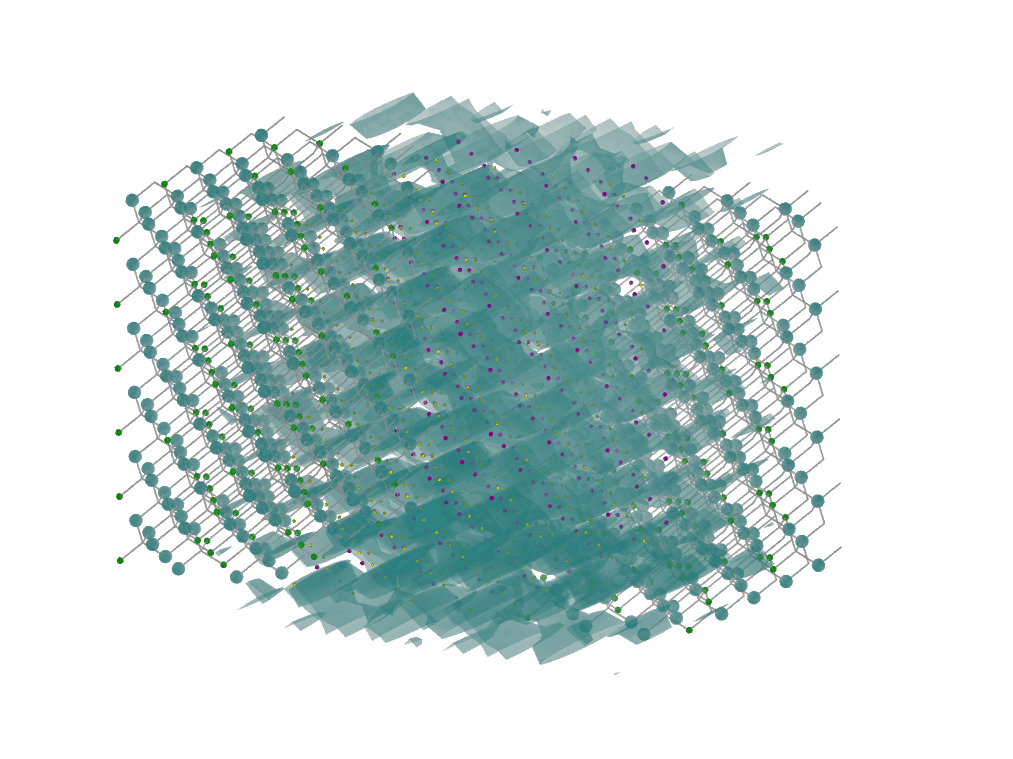
Semiconductor Wet Processing
De-Risk Wet Processing Chemistry at Advanced Nodes
Frequently Asked Questions
From setup to support, here are the answers you need to launch faster with confidence.
Do I need design or coding experience to use this?
More than just SaaS—perfect for creators, freelancers, and agencies who want sleek, high-performing sites fast.
Can I customize everything in the template?
Is this template only for SaaS founders?
How fast can I get my site live?
Can I use this for client projects?
Is Framer free to use with this template?
What is Compular Lab?
How does Compular Lab help material development?
Who can use Compular Lab?
What types of material properties can Compular Lab analyse?
Can you simulate multi-component systems such as electrolytes or complex formulations?
Can you simulate electrolytes as a function of temperature and voltage?
Do you provide molecular-level insights?
Does Compular Lab run simulations automatically?
Is there a demo or trial version available?
What makes Compular Lab different from traditional material R&D?
Frequently Asked Questions
Frequently Asked Questions
What is Compular Lab?
How does Compular Lab help material development?
Who can use Compular Lab?
What types of material properties can Compular Lab analyse?
Can you simulate multi-component systems such as electrolytes or complex formulations?
Can you simulate electrolytes as a function of temperature and voltage?
Do you provide molecular-level insights?
Does Compular Lab run simulations automatically?
Is there a demo or trial version available?
What makes Compular Lab different from traditional material R&D?

Accelerate materials discovery
with AI & multiscale simulations.
Compular turns complex molecular design into fast, reliable predictions, helping researchers innovate and drive sustainable solutions.
Accelerate materials discovery
with AI & multiscale simulations.
Compular turns complex molecular design into fast, reliable predictions, helping researchers innovate and drive sustainable solutions.